

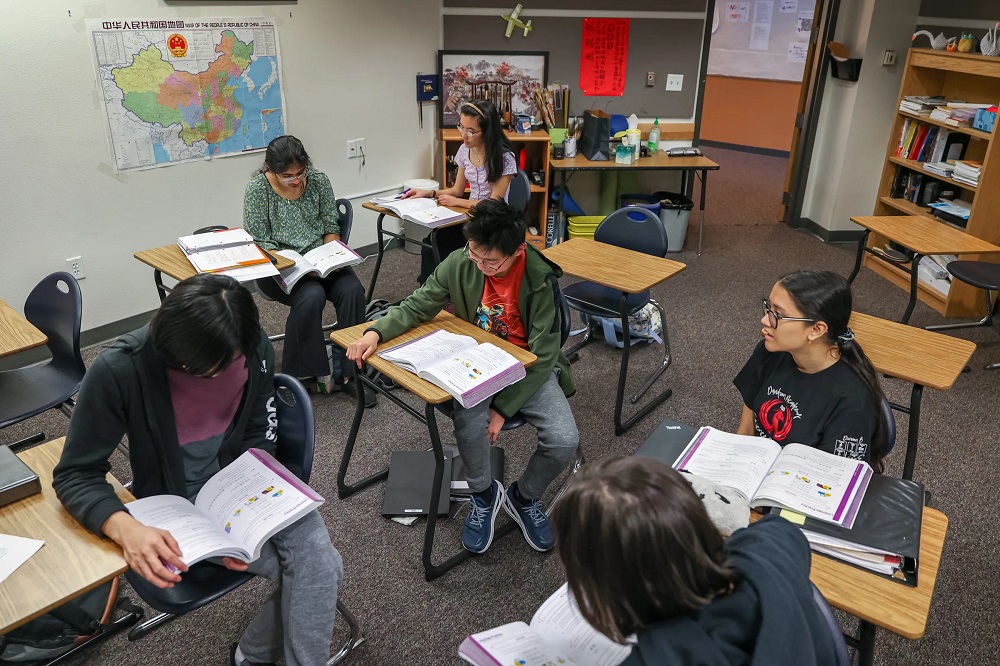
An academy is a structured educational institution designed to provide focused learning, skill development, and intellectual growth. Academies exist across academic, professional, artistic, and technical domains, serving learners at different stages of their educational journey. In today’s fast-evolving world, academies play a critical role in shaping competent individuals with practical knowledge and critical thinking abilities.
What Is an Academy?
An academy is an organization dedicated to teaching, training, and research in a specific field or a range of disciplines. Unlike informal learning spaces, academies follow a systematic curriculum, guided by experienced educators and industry standards.
Academies can be:
-
Independent institutions
-
Part of a larger educational system
-
Specialized centers for advanced learning
Their primary goal is to bridge the gap between theoretical knowledge and real-world application.
Types of Academies
Academies come in many forms, each catering to distinct educational needs.
Academic Academies
These institutions focus on core subjects such as science, mathematics, humanities, and social sciences. They often emphasize academic excellence, research, and higher education preparation.
Professional and Skill-Based Academies
These academies are designed to develop job-ready skills. Common areas include:
-
Technology and programming
-
Business and management
-
Healthcare and medical training
-
Language and communication skills
Arts and Creative Academies
Creative academies nurture talent in areas like:
-
Music and performing arts
-
Fine arts and design
-
Film, media, and photography
Sports and Physical Training Academies
Sports academies focus on physical excellence, discipline, and competitive performance, often combining education with athletic training.
Key Features of a Quality Academy
A well-structured academy typically offers the following characteristics:
-
Qualified instructors with academic or industry expertise
-
Standardized curriculum aligned with learning outcomes
-
Practical training alongside theoretical instruction
-
Assessment and feedback systems to track progress
-
Supportive learning environment that encourages growth
These elements ensure that learners receive meaningful and measurable education.
Importance of Academies in Modern Society
Academies play a vital role in addressing modern educational and workforce demands. They help individuals adapt to changing technologies and evolving professional standards.
Key benefits include:
-
Enhancing employability and career readiness
-
Encouraging lifelong learning
-
Supporting innovation and research
-
Providing specialized education not always available in traditional schools
In many regions, academies also contribute to community development by producing skilled and knowledgeable professionals.
How Academies Differ from Traditional Schools
While traditional schools offer broad education, academies often focus on depth and specialization. They provide targeted instruction, smaller class sizes, and hands-on learning opportunities. This approach allows students to gain expertise faster and with greater confidence.
Choosing the Right Academy
Selecting the right academy requires careful evaluation. Consider the following factors:
-
Accreditation and recognition
-
Course structure and learning outcomes
-
Instructor qualifications
-
Facilities and learning resources
-
Student reviews and success records
A thoughtful choice can significantly influence personal and professional growth.
Future of Academies
With the rise of digital education and global connectivity, academies are evolving rapidly. Many now offer online and hybrid learning models, making education more accessible. The future of academies lies in flexible learning, personalized education paths, and strong industry collaboration.
Frequently Asked Questions (FAQs)
What is the main purpose of an academy?
The main purpose of an academy is to provide structured, specialized education that builds knowledge, skills, and professional competence.
Are academies only for advanced learners?
No, academies cater to beginners, intermediate learners, and advanced students depending on their programs.
Do academies offer certifications?
Many academies provide certificates or diplomas upon completion, depending on the course and accreditation.
How long do academy programs usually last?
Program duration varies from short-term courses lasting weeks to long-term programs spanning several years.
Can academies help with career advancement?
Yes, academies often focus on practical skills and industry relevance, which can improve career opportunities.
Are online academies effective?
Online academies can be highly effective when they offer structured content, expert instruction, and interactive learning.
How do academies support personal development?
Beyond academics, academies encourage discipline, critical thinking, creativity, and confidence.