

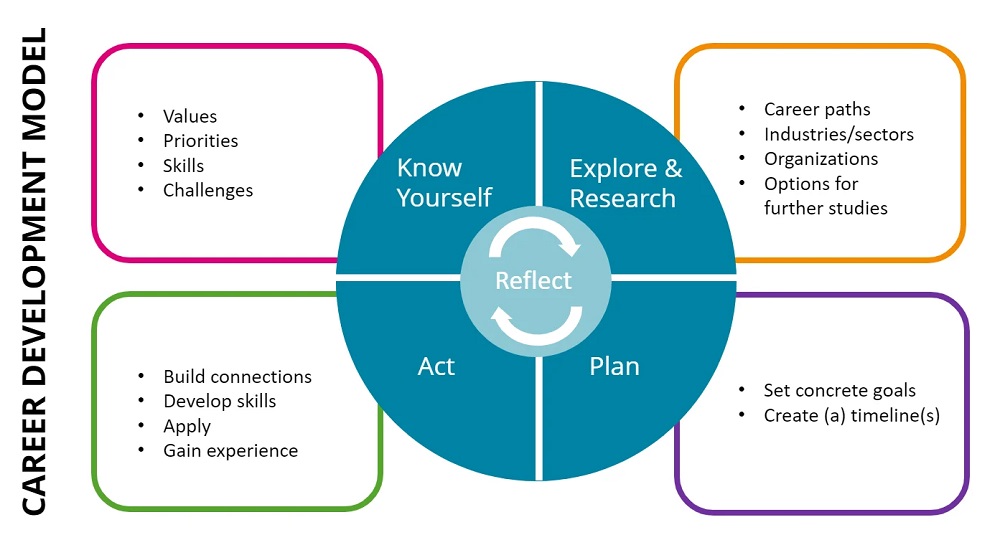
A career is more than a job or a paycheck. It reflects long-term growth, personal values, skills, and the impact you want to create through your work. In a rapidly changing job market, intentional career planning helps you stay relevant, confident, and fulfilled.
This guide explores how careers develop, how to choose the right path, and how to grow sustainably over time.
Understanding What a Career Truly Means
A career is a progressive journey of professional development rather than a single role. It evolves as your interests, skills, and life priorities change.
Key characteristics of a career include:
-
Long-term direction and growth
-
Continuous learning and skill development
-
Alignment with personal goals and values
-
Opportunities for advancement and reinvention
Why Career Planning Matters
Career planning provides clarity and structure, especially in competitive or uncertain job markets. Without a plan, decisions often become reactive rather than strategic.
Benefits of career planning
-
Clear professional direction
-
Better decision-making during job changes
-
Higher job satisfaction and motivation
-
Improved income and advancement potential
-
Stronger work-life balance
How to Choose the Right Career Path
Choosing a career requires honest self-assessment combined with practical market awareness.
1. Assess Your Interests and Strengths
Understanding what energizes you is essential. Interests often indicate long-term motivation, while strengths suggest areas where you can excel.
Consider:
-
Tasks you enjoy doing consistently
-
Skills you learn quickly
-
Feedback you receive from others
2. Evaluate Skills and Qualifications
Some careers require specific technical or academic credentials, while others value transferable skills.
Core skill categories include:
-
Technical skills (job-specific expertise)
-
Soft skills (communication, teamwork, adaptability)
-
Digital skills (technology and data literacy)
3. Research Career Options
Explore roles, industries, and growth trends before committing.
Focus on:
-
Job demand and future outlook
-
Salary ranges and benefits
-
Work environment and lifestyle compatibility
Building a Strong Career Foundation
Once a path is chosen, consistency and learning become critical.
Education and Training
Formal education, certifications, and online courses help you stay competitive. Continuous learning is often more valuable than a single degree.
Gaining Experience
Experience builds credibility and confidence.
Ways to gain experience include:
-
Internships and apprenticeships
-
Freelance or contract work
-
Volunteering or project-based roles
Networking and Mentorship
Professional relationships often open doors faster than job applications alone.
Effective networking involves:
-
Attending industry events
-
Maintaining an updated professional profile
-
Learning from mentors with relevant experience
Career Growth and Advancement Strategies
Career growth does not always mean promotion. It can also involve skill expansion, role diversification, or strategic career shifts.
Performance and Visibility
Consistent performance and visibility increase trust and recognition.
Focus on:
-
Delivering measurable results
-
Communicating achievements professionally
-
Taking initiative on high-impact tasks
Skill Upgrading
Industries evolve, and so must professionals.
High-value skills often include:
-
Leadership and management
-
Problem-solving and critical thinking
-
Data analysis and digital tools
Managing Career Transitions
Career changes are common and often beneficial when planned carefully.
Successful transitions require:
-
Transferable skills identification
-
Financial preparation
-
Short-term learning investments
Balancing Career and Personal Life
A sustainable career supports both professional success and personal well-being.
Healthy balance involves:
-
Setting realistic goals
-
Defining boundaries between work and personal time
-
Choosing roles aligned with lifestyle priorities
Common Career Challenges and How to Overcome Them
Every career includes obstacles. The key is responding strategically.
Frequent challenges include:
-
Job stagnation → Seek new responsibilities or training
-
Skill gaps → Invest in targeted learning
-
Burnout → Reassess workload and long-term goals
-
Career uncertainty → Revisit values and interests
Long-Term Career Success Mindset
Career success is rarely linear. Adaptability, patience, and self-awareness matter more than speed.
Adopt a mindset focused on:
-
Lifelong learning
-
Resilience during setbacks
-
Purpose-driven decision-making
Frequently Asked Questions (FAQs)
1. What is the difference between a job and a career?
A job is a short-term employment role, while a career is a long-term professional journey involving growth, learning, and progression.
2. Can I change my career later in life?
Yes, many professionals successfully change careers by leveraging transferable skills and acquiring new knowledge.
3. How do I know if a career is right for me?
A suitable career aligns with your interests, strengths, values, and lifestyle goals while offering growth opportunities.
4. Is higher education always necessary for career success?
Not always. Many careers value skills, experience, and certifications over formal degrees.
5. How often should I review my career plan?
Reviewing your career plan every 1–2 years helps ensure it aligns with changing goals and market conditions.
6. What role does networking play in career growth?
Networking increases access to opportunities, mentorship, and industry insights that may not be publicly advertised.
7. How can I future-proof my career?
Focus on adaptable skills, continuous learning, and staying informed about industry trends.