

Education is not confined to classrooms, textbooks, or academic degrees. It is a continuous journey that begins in early childhood and extends throughout life. As societies evolve and demands change, education serves as the foundation that enables individuals to learn, adapt, and grow at every stage of life.
Understanding Lifelong Learning
Lifelong learning refers to the ongoing pursuit of knowledge, skills, and personal development beyond formal education. It empowers individuals to remain relevant, informed, and capable in a dynamic world.
Key characteristics of lifelong learning include:
-
Continuous skill and knowledge development
-
Learning driven by curiosity and purpose
-
Adaptability to personal, professional, and social changes
Education plants the initial seeds that make lifelong learning possible and sustainable.
How Education Shapes Personal Growth
Education contributes significantly to personal development by nurturing both intellectual and emotional capacities. It helps individuals understand themselves and the world around them.
Cognitive Development
Education strengthens critical thinking, reasoning, and problem-solving abilities. These skills are essential for making informed decisions and navigating complex situations.
Emotional and Social Growth
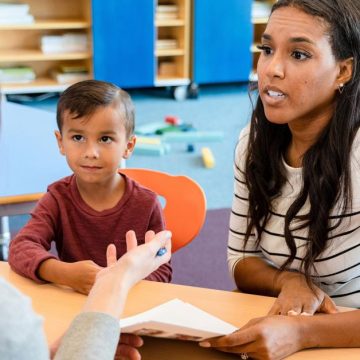
Through interaction, collaboration, and exposure to diverse perspectives, education promotes empathy, communication skills, and emotional intelligence.
Personal growth through education leads to:
-
Greater self-confidence
-
Improved decision-making
-
Stronger interpersonal relationships
Education and Skill Development Over a Lifetime
Modern education emphasizes learning how to learn, rather than memorizing information. This mindset supports skill development across different life stages.
Foundational Skills
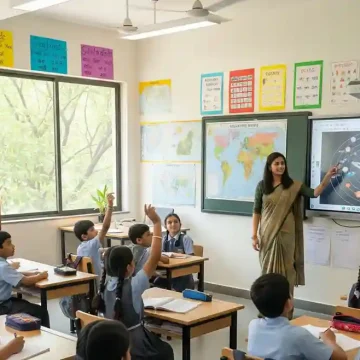
Early education focuses on literacy, numeracy, and basic social skills that support future learning.
Professional and Technical Skills
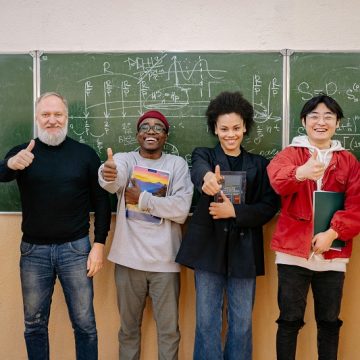
As individuals enter the workforce, education supports career growth through specialized training, certifications, and upskilling opportunities.
Transferable Skills
Education also builds skills that remain valuable across careers, such as:
-
Communication
-
Adaptability
-
Critical thinking
-
Creativity
These abilities enable individuals to pivot and grow as industries change.
The Role of Education in Adaptability and Resilience
In a rapidly changing world, adaptability is essential. Education equips individuals with the tools to respond to uncertainty and change with confidence.
By fostering curiosity and independent thinking, education helps learners:
-
Embrace new technologies
-
Adjust to evolving job markets
-
Solve unfamiliar problems effectively
This resilience supports long-term personal and professional stability.
Education Beyond Formal Institutions
While schools and universities play a vital role, lifelong learning extends beyond formal settings.
Examples of learning beyond institutions include:
-
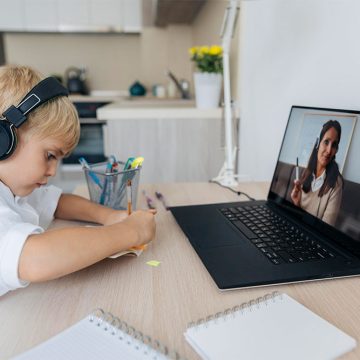
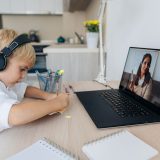
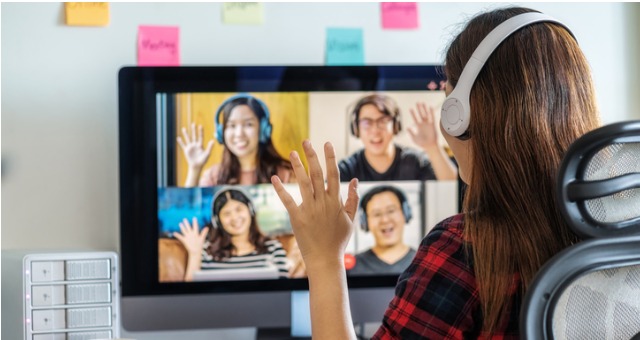
Online courses and digital learning platforms
-
Community workshops and professional training
-
Self-directed learning through reading and research
Education builds the foundation that allows individuals to take ownership of their learning journey outside traditional systems.
Social and Economic Benefits of Lifelong Learning
When education supports lifelong learning, its impact extends beyond individuals to society as a whole.
Broader benefits include:
-
A more skilled and adaptable workforce
-
Increased innovation and productivity
-
Improved social inclusion and civic engagement
Societies that prioritize education and continuous learning are better prepared for future challenges.
The Future of Education and Continuous Growth
Education systems are increasingly shifting toward flexible, learner-centered approaches. The future emphasizes growth over grades and progress over perfection.
Emerging trends include:
-
Personalized learning paths
-
Integration of digital and experiential learning
-
Focus on well-being and holistic development
Education will continue to serve as the cornerstone for lifelong growth in an interconnected world.
Frequently Asked Questions (FAQs)
What does lifelong learning mean in practical terms?
It means continuously developing knowledge and skills throughout life, whether for career advancement, personal interest, or self-improvement.
Why is education important for long-term personal growth?
Education builds foundational skills, confidence, and curiosity that support learning and development at every stage of life.
Can lifelong learning happen without formal education?
Yes, but formal education provides essential tools and habits that make independent and continuous learning more effective.
How does education help individuals adapt to change?
Education encourages critical thinking, flexibility, and problem-solving, which are essential for handling change and uncertainty.
Is lifelong learning only important for careers?
No, it also supports personal fulfillment, social engagement, mental well-being, and informed decision-making.
How can adults continue learning later in life?
Through online courses, workshops, reading, mentoring, and practical experiences aligned with personal or professional goals.
What role does technology play in lifelong learning?
Technology expands access to information, learning platforms, and global knowledge, making continuous learning more accessible than ever.