

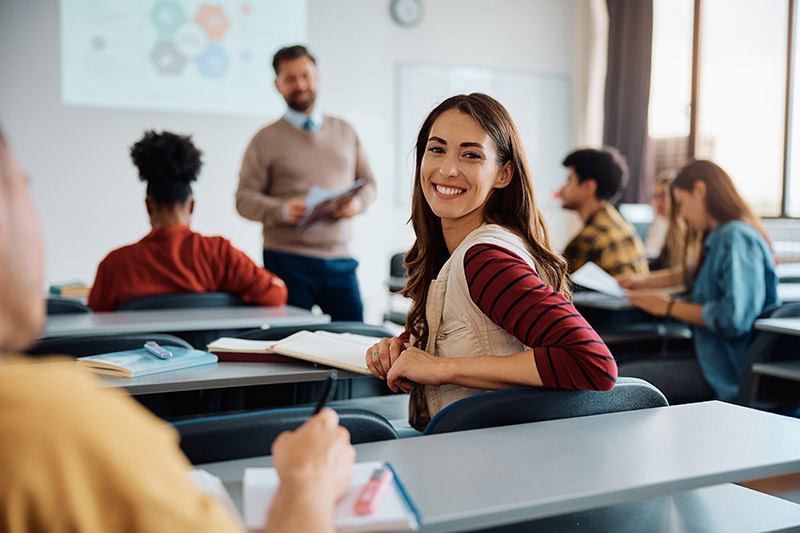
Introduction to Learning
Learning is a lifelong process through which individuals acquire new knowledge, skills, behaviors, and understanding. It is not limited to classrooms or formal education; learning happens continuously through experiences, reflection, observation, and practice. In a rapidly changing world, the ability to learn and adapt is one of the most valuable human capabilities.
What Is Learning?
Learning can be defined as a lasting change in knowledge or behavior resulting from experience, study, or instruction. It goes beyond memorization and involves comprehension, application, and critical thinking.
Key characteristics of learning include:
-
Continuous rather than one-time
-
Active, requiring engagement
-
Purpose-driven, often aimed at improvement or problem-solving
Types of Learning
Learning takes many forms, each serving a unique purpose.
Formal Learning
This type of learning occurs in structured environments such as schools, colleges, and training institutions. It usually follows a curriculum and leads to certification or qualifications.
Informal Learning
Informal learning happens naturally through daily activities and life experiences. Examples include learning through conversations, self-study, or trial and error.
Experiential Learning
Experiential learning focuses on learning by doing. It emphasizes hands-on experiences, reflection, and real-world application.
Social Learning
This form of learning occurs through interaction with others. Observing, discussing, and collaborating help individuals gain new perspectives and insights.
Importance of Learning
Learning plays a crucial role in shaping both individuals and societies.
Why learning matters:
-
Enhances critical thinking and problem-solving skills
-
Promotes personal growth and self-awareness
-
Improves career opportunities and adaptability
-
Encourages innovation and creativity
-
Strengthens confidence and decision-making
Learning in the Digital Age
Technology has transformed how people learn. Online platforms, mobile apps, and digital resources have made knowledge more accessible than ever.
Benefits of digital learning include:
-
Flexible schedules and self-paced study
-
Access to global expertise
-
Personalized learning experiences
-
Cost-effective education options
However, effective digital learning requires discipline, focus, and the ability to evaluate information critically.
Effective Learning Strategies
Improving how you learn is just as important as what you learn.
Set Clear Goals
Define what you want to learn and why. Clear goals provide direction and motivation.
Practice Active Learning
Engage with the material by asking questions, summarizing concepts, and applying ideas to real situations.
Use Spaced Repetition
Revisiting information over time strengthens memory and understanding.
Reflect and Review
Regular reflection helps identify strengths, gaps, and areas for improvement.
Teach What You Learn
Explaining concepts to others reinforces understanding and builds confidence.
Common Barriers to Learning
Despite its importance, learning can be hindered by several factors.
Common challenges include:
-
Lack of motivation or interest
-
Fear of failure or mistakes
-
Information overload
-
Poor time management
-
Limited access to resources
Recognizing these barriers is the first step toward overcoming them.
The Role of Mindset in Learning
A growth mindset encourages the belief that abilities can be developed through effort and persistence. People with this mindset view challenges as opportunities rather than obstacles.
Benefits of a growth-oriented approach:
-
Greater resilience
-
Improved performance
-
Willingness to embrace feedback
-
Long-term learning success
Learning as a Lifelong Journey
Learning does not end with formal education. Continuous learning helps individuals stay relevant, curious, and fulfilled throughout life. Whether acquiring a new skill, exploring a hobby, or adapting to change, learning remains a powerful tool for progress.
Frequently Asked Questions (FAQs)
What is the difference between learning and education?
Learning is a broad, lifelong process, while education is a structured system designed to facilitate learning within institutions.
Can learning happen without teaching?
Yes, learning can occur independently through experience, observation, and self-exploration without formal instruction.
How does learning impact career growth?
Learning enhances skills, adaptability, and knowledge, making individuals more competitive and prepared for new opportunities.
Is learning ability fixed or flexible?
Learning ability is flexible and can improve with practice, effective strategies, and the right mindset.
How can adults improve their learning skills?
Adults can improve learning by setting clear goals, practicing active learning, managing time effectively, and staying curious.
Why do people learn at different speeds?
Learning speed varies due to factors such as prior knowledge, motivation, learning style, environment, and cognitive differences.
How does motivation influence learning?
Motivation drives engagement and persistence, making it easier to overcome challenges and retain information.