

Learning is the ongoing process of gaining knowledge, skills, values, and understanding through experience, study, and reflection. It is not limited to formal education but continues throughout life, shaping how individuals think, adapt, and grow.
At its core, learning helps people make sense of the world and respond effectively to change.
Definition of Learning
Learning can be described as a permanent or long-term change in behavior, knowledge, or thinking that results from experience or practice. True learning involves understanding and application, not just memorization.
Key features of learning include:
-
Continuous and evolving
-
Experience-based
-
Purposeful and goal-oriented
Major Types of Learning
Formal Learning
Formal learning takes place in structured environments such as schools, colleges, and professional training programs. It follows a defined curriculum and often leads to certifications or degrees.
Informal Learning
This type of learning happens naturally in everyday life. Reading books, watching tutorials, or learning from conversations are common examples.
Experiential Learning
Experiential learning emphasizes hands-on experience. Individuals learn by actively doing tasks and reflecting on outcomes.
Collaborative Learning
Collaborative learning occurs through interaction with others. Group discussions, teamwork, and peer feedback enhance understanding and critical thinking.
Why Learning Is Important
Learning is essential for both personal fulfillment and societal progress.
Key benefits of learning:
-
Builds problem-solving and analytical skills
-
Encourages personal development and confidence
-
Improves adaptability in changing environments
-
Supports career advancement
-
Promotes innovation and creativity
Learning in a Digital World
Technology has reshaped learning by making information easily accessible. Online courses, educational apps, and virtual classrooms allow people to learn anytime and anywhere.
Advantages of digital learning include:
-
Flexible learning schedules
-
Personalized learning paths
-
Access to global knowledge
-
Cost-effective education
Despite its benefits, digital learning requires focus, discipline, and critical evaluation of information sources.
Effective Ways to Learn Better
Set Clear Objectives
Knowing what you want to learn improves focus and motivation.
Engage Actively
Active learning methods such as note-taking, questioning, and discussion improve retention.
Practice Regularly
Consistent practice strengthens understanding and long-term memory.
Reflect on Progress
Reflection helps identify strengths and areas that need improvement.
Share Knowledge
Teaching others reinforces learning and builds deeper understanding.
Common Challenges in Learning
Many learners face obstacles that slow progress.
Common challenges include:
-
Lack of motivation
-
Fear of making mistakes
-
Poor time management
-
Distractions and information overload
-
Limited access to resources
Recognizing these challenges makes it easier to overcome them.
The Power of a Growth Mindset
A growth mindset is the belief that abilities can improve through effort and learning. This mindset encourages persistence, resilience, and openness to feedback.
Benefits of adopting a growth mindset include:
-
Increased confidence
-
Better performance
-
Stronger problem-solving skills
-
Long-term success in learning
Learning as a Lifelong Process
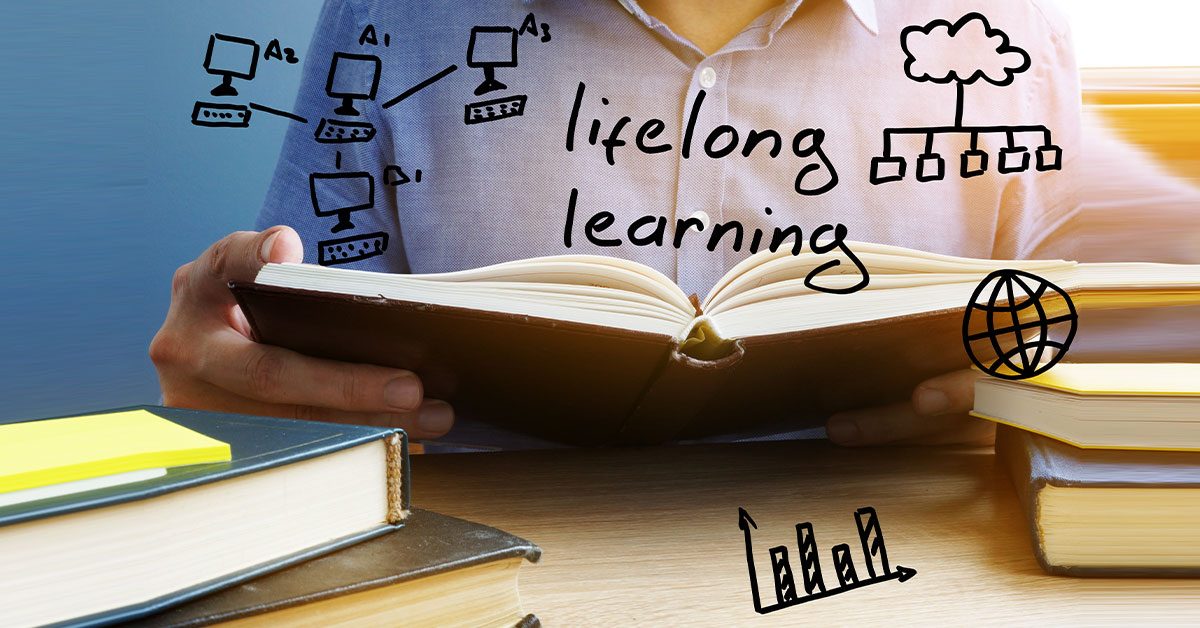
Learning does not stop after formal education. Lifelong learning helps individuals remain relevant, adaptable, and intellectually curious. Whether learning new technologies or exploring personal interests, continuous learning enriches life at every stage.
Frequently Asked Questions (FAQs)
What is learning in simple terms?
Learning is the process of gaining knowledge or skills through experience, study, or practice.
Is learning only related to academics?
No, learning includes personal skills, habits, behaviors, and real-life experiences.
How does learning help personal growth?
Learning improves self-awareness, confidence, and the ability to handle challenges effectively.
Can anyone improve their learning ability?
Yes, learning skills can be improved with practice, consistency, and the right strategies.
What role does motivation play in learning?
Motivation increases focus, persistence, and the willingness to overcome difficulties.
How does technology support learning today?
Technology provides flexible access to information, interactive tools, and personalized learning experiences.
Why is lifelong learning important?
Lifelong learning helps individuals adapt to change, stay competitive, and maintain intellectual growth over time.