

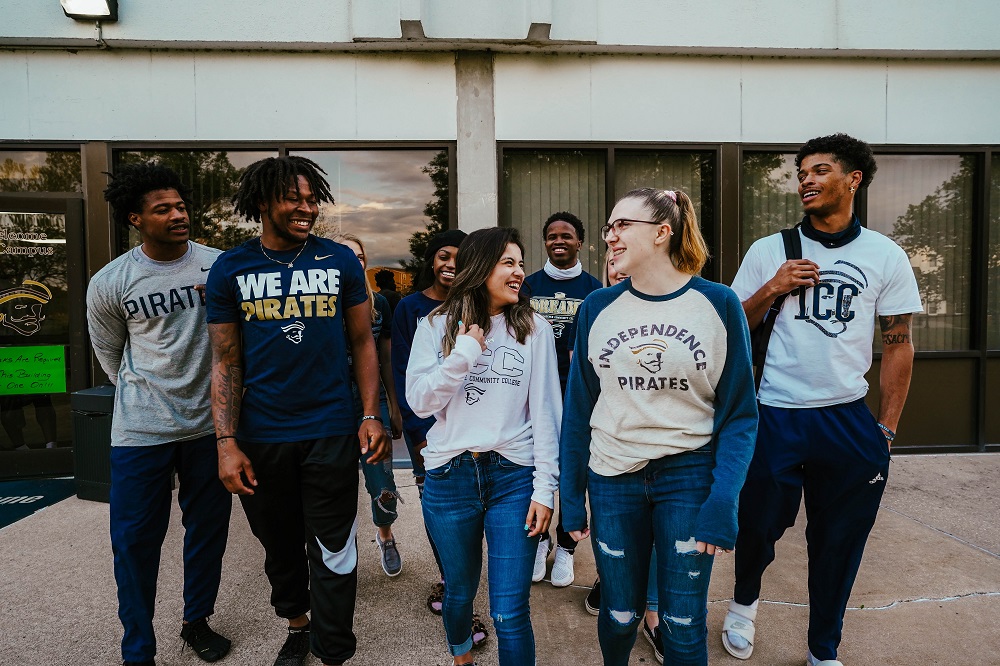
The transition from high school to higher education represents far more than a step up in academic rigor. For most young adults, entering college is the first true departure from the structured, highly supervised environment of childhood and adolescence. Up until this point, a student’s life is largely organized by parents, guardians, and K-12 school systems that dictate schedules, manage daily logistics, and provide immediate safety nets.
College completely dismantles this protective scaffolding. While this shift can initially feel overwhelming, it serves as a critical societal laboratory for personal growth. The university experience is intentionally structured to compel students to assume control of their own lives. Through navigating academic freedom, managing personal finances, resolving interpersonal conflicts, and overcoming failures, students systematically transform into self-reliant, confident adults.
The Catalyst of Geographic and Domestic Autonomy
For students who move away to attend a university, independence begins the moment their families leave the residence hall on move-in day. Suddenly, the micro-transactions of daily survival become the sole responsibility of the student. Managing nutrition, doing laundry, maintaining a living space, and regulating sleep schedules must be handled without parental prompting.
This domestic autonomy forces rapid behavioral maturation. A student quickly learns that skipping sleep or neglecting nutrition has immediate, tangible consequences on their physical well-being and academic performance. Overcoming the initial learning curve of managing a household, even a small dorm room, builds an foundational layer of self-efficacy. When a young adult realizes they can successfully sustain themselves day to day without a safety net, their underlying self-confidence receives a massive, permanent boost.
Academic Freedom and the Accountability Shift
In secondary education, tracking student progress is a highly collaborative effort involving teachers, counselors, and parents. Homework is checked daily, attendance is mandatory, and late work is often met with parental notifications. Higher education operates on an entirely different philosophical plane. Professors provide a syllabus on day one, outline the expectations, and step back.
This environment places the entire burden of accountability on the student. No one checks if a student wakes up for an 8:00 AM lecture, and no one monitors whether they spend their evenings studying or socializing. To survive academically, students must develop robust time-management and organizational strategies.
Developing these professional habits yields deep psychological benefits:
-
Internal Locus of Control: Students begin to see a direct, unfiltered correlation between their personal effort and their tangible results, realizing that success is earned rather than given.
-
Proactive Problem Solving: When assignments are unclear or a grade falls short, students must independently schedule professor office hours or seek out university tutoring centers.
-
Critical Thinking: College curricula demand analysis over memorization, teaching students how to formulate unique arguments and defend them logically, which directly translates to intellectual self-assurance.
Social Diversification and Identity Formulation
Most hometown environments are relatively homogenous, often keeping young adults inside familiar social circles with people who share similar backgrounds, beliefs, and socioeconomic statuses. Walking onto a college campus instantly shatters this bubble, introducing students to a microcosm of the global population.
Interacting with peers from different countries, cultures, and ideological perspectives forces students to examine their own inherited worldview. This process can be uncomfortable, but it is vital for identity formulation. In the process of debating ideas in seminars or collaborating on group projects with diverse peers, students learn to articulate their values clearly.
Equally important is the act of building a completely new social support system from scratch. Without the historic safety net of childhood friends, college students must put themselves out there, join student organizations, start conversations with strangers, and navigate the complexities of adult relationships. Mastering this social landscape proves to a student that they possess social value and the capacity to belong anywhere.
Navigating Failure and Building Psychological Resilience
True confidence is not born from a pristine record of effortless victories; it is forged by surviving setbacks. In the traditional K-12 system, the environment is often optimized to prevent students from failing. College, by design, increases the difficulty level across all domains, making some degree of failure almost inevitable.
Whether it is failing a midterm exam, getting rejected from a selective campus organization, or experiencing a breakdown in a romantic relationship, collegiate setbacks are painful. However, because the university environment offers resources like counseling centers, academic advisors, and peer mentors, it functions as a controlled space to fail safely.
When a student experiences a significant failure, processes the disappointment, alters their strategy, and ultimately overcomes the obstacle, they develop psychological resilience. They realize that failure is a data point rather than a permanent identity. This realization eliminates the paralyzing fear of failure, allowing them to approach future career and life challenges with an attitude of quiet confidence.
Financial Literacy in a Micro-Economy
For many students, college is their first introduction to managing a complex budget. Even with financial aid, scholarships, or parental allowances, students must make daily decisions about discretionary spending, textbooks, meal plans, and utility bills.
Many students also secure their first campus or part-time jobs during these years, learning to balance labor with academic commitments. Managing a limited pool of money forces students to understand the difference between immediate desires and long-term financial necessities. Learning how to stretch a budget to the end of the month provides a practical, foundational sense of independence that sets the stage for responsible financial management after graduation.
Preparing for the Ambiguity of the Professional World
Ultimately, the supreme gift of the collegiate experience is that it gradually removes the black-and-white rules of childhood and introduces students to the gray areas of adulthood. In college, there is rarely one correct way to write a research paper, solve a complex social issue, or design a career path.
By the time graduation approaches, a student has spent years making independent choices, defending their opinions, managing their time, and picking themselves up after setbacks. The nervous freshman who arrived on campus with an packed suitcase has evolved into a self-assured graduate ready to enter a volatile job market. They no longer look to authority figures to tell them what to do next; they possess the confidence to decide for themselves.
FAQs
How can commuter students who live at home build independence during college?
Commuter students can cultivate significant independence by taking complete ownership of their academic schedules, finances, and transportation logistics without parental involvement. Additionally, staying on campus outside of class hours to join student organizations, spearhead study groups, and seek out leadership positions ensures they experience the social autonomy and self-reliance typical of residential students.
What should a student do if the sudden independence of college leads to severe anxiety or loneliness?
It is completely normal to experience transitional anxiety when structural safety nets are removed. Students should immediately leverage the university infrastructure, which includes free counseling centers, resident advisors, and student wellness groups. Recognizing that independence does not mean isolation is a crucial part of mature development.
How does college help introverted students build confidence without forcing them to change their personality?
College helps introverts build confidence by offering specialized, niche spaces where they can connect deeply over shared intellectual or creative interests. Unlike high school, where social success often requires loud conformity, universities value deep focus, independent research, and measured insights, allowing introverted individuals to find validation in their natural strengths.
Can online or hybrid college programs provide the same boost to independence as a physical campus?
Yes, but the independence built is structural rather than domestic. Online students must possess an even higher level of intrinsic motivation, time management, and proactive digital communication to succeed without physical cues, building professional self-discipline that is highly prized in remote work environments.
How can parents support a student’s journey toward independence without completely cutting them off?
Parents can transition from an operational manager to an advisory consultant. Instead of solving problems, calling professors, or managing budgets for the student, parents should listen empathetically and ask guiding questions that empower the student to navigate university bureaucracies and personal dilemmas independently.
Why is confidence gained through academic success different from confidence gained through social experiences in college?
Academic confidence builds intellectual self-assurance and validates a student’s cognitive competence and work ethic under pressure. Social confidence, on the other hand, builds emotional intelligence and relational security. Combined, they create a well-rounded adult who is equally capable of managing complex professional tasks and navigating corporate environments.
What role do student organizations play in accelerating a student’s self-reliance?
Student organizations act as a sandbox for professional life. When a student manages an organization’s budget, plans large campus events, resolves internal team conflicts, or leads marketing campaigns, they gain practical leadership skills and experiential proof of their capabilities long before entering the corporate job market.