

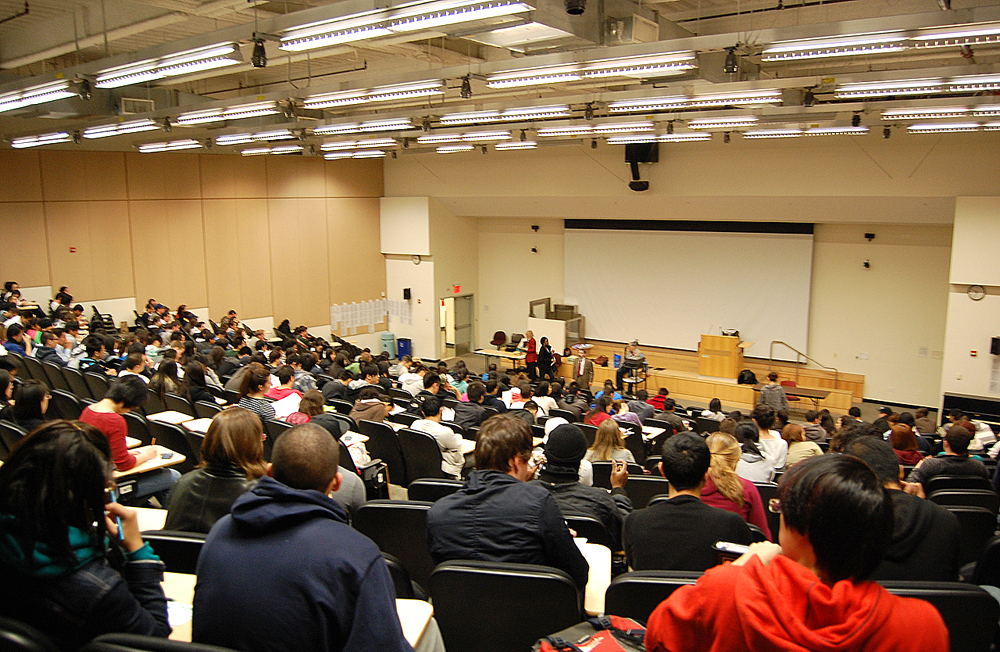
College is a phase of higher education where students pursue advanced academic learning and practical skill development. It serves as a foundation for professional careers while also encouraging personal independence, responsibility, and intellectual curiosity.
Unlike earlier education stages, college requires students to take ownership of their learning and decisions, preparing them for complex real-world environments.
What College Represents
College represents more than classrooms and exams. It is an environment designed to help individuals grow academically, socially, and professionally.
Key Elements of College
-
Structured academic programs
-
Experienced instructors and professors
-
Learning resources such as libraries and laboratories
-
Support systems including advising and career services
Different Types of Colleges
Colleges vary in structure, focus, and learning style, allowing students to choose what best fits their goals.
Main College Options
-
Community Colleges offering associate degrees and certifications
-
Four-Year Colleges focused on bachelor’s degree programs
-
Technical Colleges providing hands-on, career-focused training
-
Online Colleges delivering education through digital platforms
Importance of College Education
College plays a significant role in shaping career paths and personal development.
Major Advantages
-
Expanded career opportunities across industries
-
Higher income potential over time
-
Professional networking with peers and mentors
-
Improved analytical and problem-solving abilities
Academic Experience in College
College academics emphasize understanding, application, and independent thinking.
Academic Characteristics
-
Fewer but more in-depth classes
-
Emphasis on research and projects
-
Open discussions and critical analysis
-
Evaluation through assignments, presentations, and exams
Personal Growth Through College
College encourages students to grow beyond academics.
Personal Development Outcomes
-
Stronger decision-making skills
-
Increased self-confidence
-
Exposure to diverse perspectives
-
Development of leadership qualities
Common College Challenges
Every student faces obstacles during college, which are part of the learning journey.
Typical Difficulties
-
Managing academic workload
-
Financial planning and expenses
-
Adapting to new social environments
-
Balancing academic and personal responsibilities
Facing these challenges helps students develop resilience and adaptability.
Preparing for a Successful College Journey
Preparation before and during college improves outcomes and reduces stress.
Practical Preparation Tips
-
Set realistic academic goals
-
Develop effective study routines
-
Learn basic budgeting skills
-
Use campus support services early
Long-Term Value of College
College education often leads to greater career stability and adaptability. Graduates are generally better prepared to navigate changing job markets and pursue lifelong learning opportunities.
Frequently Asked Questions (FAQs)
1. What is the main goal of college education?
The main goal is to develop specialized knowledge, practical skills, and critical thinking abilities.
2. How is college different from high school?
College requires independent learning, self-discipline, and active participation rather than guided instruction.
3. Does college improve communication skills?
Yes, through presentations, group work, and written assignments, communication skills improve significantly.
4. What factors should students consider before enrolling in college?
Students should evaluate program quality, cost, location, learning format, and career outcomes.
5. Can college help students discover career interests?
College exposure to various subjects and activities often helps clarify career goals.
6. Is it possible to change majors in college?
Yes, many colleges allow students to change majors, especially in the early years.
7. How does college contribute to lifelong learning?
College builds a mindset of curiosity, research, and adaptability that supports continuous learning.